Working in Canada
Canada is one of the most attractive destinations in the world for international workers, and for good reason. With a strong economy, a welcoming immigration framework and cities like Vancouver consistently ranked among the most liveable in the world, the country offers real opportunities for anyone willing to prepare properly. But working in Canada is not something you can improvise: it involves understanding the permit system, adapting your job search to Canadian standards, and knowing your rights as an employee. This pillar page walks you through everything step by step, in clear and simple terms.
Why Work in Canada?
Canada actively welcomes skilled workers from around the world. Its labour market is large, diverse and, in many sectors, short on talent. Healthcare, technology, construction, hospitality, transportation and early childhood education are among the fields that regularly recruit internationally. Provinces like British Columbia, where Vancouver is located, run their own immigration programs to attract workers whose skills match local needs.
Beyond employment, working in Canada opens the door to long-term possibilities. Many workers arrive on a temporary basis and later transition to permanent residency through programs such as the Canadian Experience Class. In other words, a first job in Canada can be the first step of a much longer journey.
Understanding Work Permits
The single most important rule is simple: you generally cannot work in Canada without a valid work permit. Some exceptions exist, but assuming you are exempt can lead to serious problems, so always verify before accepting any job offer.
The Two Main Pathways
- Employer-specific work permits: tied to one employer, one location and one position. Your employer usually needs a document called an LMIA (Labour Market Impact Assessment), which proves no Canadian worker was available for the role.
- Open work permits: not tied to a specific employer. These are available in specific situations, for example to recent graduates of Canadian institutions through the Post-Graduation Work Permit, or to spouses of certain skilled workers.
Other Routes Worth Knowing
Working holidays are popular among young travellers, and programs like International Experience Canada (IEC) allow eligible citizens of partner countries to work temporarily. International students also benefit from generous rules: most study permits include the right to work part-time during studies, which is an excellent way to gain Canadian experience early.
Practical tip: think of a work permit like a plane ticket. It grants entry to the journey, but it has conditions — dates, destination, sometimes even a fixed seat. Read every condition on your permit carefully, because working outside those conditions can jeopardize your status.
Finding a Job in Canada
Job searching in Canada has its own codes, and understanding them makes a huge difference, especially in a competitive city like Vancouver.
Adapting Your Application
- Canadian resumes are short (usually one to two pages), factual and free of personal details such as photos, age or marital status.
- Each application should be tailored to the job posting, highlighting the achievements most relevant to that role.
- A short, sincere cover letter still carries weight in many sectors.
- References matter: Canadian employers often contact previous supervisors, so prepare two or three people who can vouch for you.
Where to Look
Major job boards, provincial employment services, and sector-specific recruitment agencies are all effective channels. In Vancouver, networking is particularly important: the local job market is relationship-driven, and many opportunities circulate through professional associations, alumni groups and community organizations before they are ever posted publicly.
Consider the fictional example of Maria, a nurse from Spain. Instead of sending hundreds of identical applications, she joined a provincial nursing association, attended two networking events, and had her credentials assessed before applying. Within a few months, she received an offer from a clinic in Metro Vancouver that was willing to support her permit process. Preparation plus visibility made the difference.
Knowing Your Rights as an Employee
Canada has strong labour laws, and they apply to every worker, regardless of immigration status. In British Columbia, the Employment Standards Branch enforces rules on wages, hours and working conditions.
Key Protections in British Columbia
- A minimum wage that applies to all employees, including newcomers and students.
- Overtime pay after eight hours a day or forty hours a week in most industries.
- Mandatory rest breaks and meal breaks during shifts.
- Vacation pay, statutory holidays and protections against unfair dismissal.
- A safe and respectful workplace, free from harassment and discrimination.
If an employer asks you to pay for your own hiring, withholds your wages, or keeps your documents, these are red flags. Legitimate Canadian employers never charge workers for a job offer. Free help is available through settlement agencies and government offices if you ever face an abusive situation.
Understanding Pay, Taxes and Daily Life
Your gross salary is not what lands in your bank account. Canada deducts income tax, employment insurance and pension contributions directly from each paycheque. That deduction funds services you will actually use — public healthcare, employment benefits and retirement savings — so it is part of the system working as intended, not money lost.
Vancouver is also known for a high cost of living, particularly housing. Planning your budget realistically is part of preparing for work in Canada: many newcomers start in shared accommodation, budget carefully for the first months, and gradually improve their situation as Canadian work experience increases their earning power.
One more thing newcomers appreciate quickly: in Canada, the resume gets you the interview, but soft skills often get you the job. Punctuality, direct but polite communication, teamwork and reliability are qualities Canadian employers consistently value.
From Temporary Work to Long-Term Settlement
Many people begin working in Canada on a temporary basis and later decide to stay permanently. The Canadian Experience Class, Provincial Nominee Programs (including one in British Columbia) and Express Entry all reward Canadian work experience. This is why your first job matters even beyond the paycheque: it builds the history and references that can support a future permanent residency application.
If your long-term goal is to settle in Canada, keep three habits from day one:
- Keep copies of every employment record, contract and pay stub — you will need them.
- Follow the exact conditions of your permit and renew it well before it expires.
- Stay informed through official government websites, which are the only reliable source for immigration rules currently in effect.
Frequently Asked Questions
Can I look for a job while on a visitor status?
You can attend interviews and network while visiting, but you cannot legally start working until you hold a valid work permit.
Do I need perfect English to work in Canada?
No. Strong English (or French in some regions) helps enormously, but many jobs value skills and experience. Improving your language level while working is a common and realistic path.
Is a job offer enough to get a work permit?
A job offer is usually necessary but rarely sufficient. Most employer-specific permits require the LMIA process, and your employer must be ready to participate in it.
How long does it take to get a work permit?
Processing times vary widely depending on the permit type and your country of residence. Always check current processing times on the official government website before making plans.
Moving Forward with Confidence
Working in Canada is a structured journey: secure the right permit, prepare a Canadian-style application, understand your rights, and plan your budget and long-term goals. Thousands of newcomers — including many in Vancouver — make this transition successfully every year, not because they are lucky, but because they are informed. Take the time to prepare each step, rely on official sources and local support organizations, and your Canadian work experience can become exactly what you make of it: a job, a career, or the beginning of a new life.
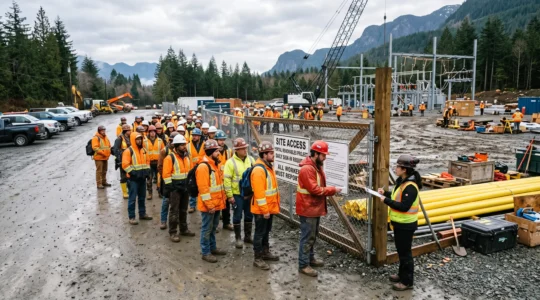
How Do You Get Hired on Renewable Infrastructure Projects Near Vancouver Without Knowing Contractors?
Getting hired on renewable infrastructure projects near Vancouver is less about knowing the right person and more about identifying which companies are attached to a project, understanding when they are likely to need people, and applying through the correct channel….
Lire la suite
Why Do Vancouver HR Policies Feel Clear Until You Actually Need Them?
An employee handbook might explain vacation, flexible scheduling, workplace conduct and benefits in straightforward language. The uncertainty begins when someone needs a specific answer: whether a leave request qualifies, whether a manager can refuse a schedule change, or whether an…
Lire la suite
How Can a Vancouver Job Offer Change Your Express Entry Score Without You Guessing?
A Vancouver job offer can change your Express Entry strategy without directly increasing your Comprehensive Ranking System (CRS) score. Since March 25, 2025, Immigration, Refugees and Citizenship Canada (IRCC) has removed the CRS points previously awarded for arranged employment. A…
Lire la suite
Why Do Vancouver Employers Hesitate When You Say “I’m Waiting on IRCC”?
A Vancouver employer asks when you can start. You answer, “I’m waiting on IRCC.” The conversation becomes cautious, even though your qualifications match the position. The problem may not be your immigration application itself. It may be that the employer…
Lire la suite
What Does a Metro Vancouver Freight Logistics Employer Expect on Day 1?
A Metro Vancouver freight logistics employer expects a new hire to arrive on time, follow site safety procedures, understand assigned duties, present required documentation and communicate clearly when something is wrong. Nobody should expect a first-day worker to know every…
Lire la suite
How Do You Break Into International Trade in Vancouver Without 5 Years of Experience?
Breaking into international trade in Vancouver without five years of experience is possible by targeting junior operations positions and demonstrating practical skills before applying. Understanding commercial invoices, shipment documents, customs procedures, and delivery deadlines can make an inexperienced applicant more…
Lire la suite